
Florida homeowners enjoy the benefits of outdoor living, but the state’s environment brings unique challenges to home maintenance. While Fleming Island is inland compared to many Florida cities, it still experiences airborne salt particles carried by coastal winds that can affect exterior structures, including under-decking.
Under-decking systems are designed to create usable, dry spaces beneath raised decks by collecting and diverting rainwater. However, when exposed to salt air, these systems deteriorate more rapidly. Salt acts as both a chemical and physical stressor, leading to corrosion, wood rot, and the breakdown of protective finishes. Left unchecked, these issues can compromise the system’s appearance, durability, and structural integrity.

How Salt Air Damages Under-Decking
Even in inland communities like Fleming Island, prevailing winds from Florida’s coastline can carry fine salt particles that settle on outdoor structures. Once salt settles, it attracts and holds moisture, creating a cycle of damage that affects both the metal and wood components of an under-decking system.
Corrosion of Metal Components
Metal fixtures—such as screws, brackets, hangers, and fasteners—are especially vulnerable to salt exposure. Salt accelerates electrochemical reactions, leading to rust, pitting, and eventual flaking. Over time, this weakens structural supports and compromises the integrity of the entire system.
For example, standard galvanized fasteners may initially resist corrosion, but prolonged exposure to salt air often leads to rapid rusting compared to stainless steel alternatives. While galvanized fasteners are generally durable in inland environments, stainless steel offers the best long-term protection against occasional salt exposure.
Wood Degradation
Wood is prone to significant damage in salty, humid environments, especially if not properly sealed or maintained.
- Rot and Mold Growth: Salt-laden moisture provides the damp environment fungi need to thrive, accelerating mold and mildew growth beneath decks. This not only weakens the wood but can also create unpleasant odors and affect indoor air quality if located near living spaces.
- Fiber Breakdown: Repeated cycles of salt and moisture cause wood fibers to lift and separate, leading to splintering, cracking, and accelerated decay. Over time, boards may become structurally unsound.
- Finish Breakdown: Protective coatings and sealants on wood eventually break down more quickly in salty conditions. Once these layers deteriorate, the exposed wood absorbs more moisture, accelerating the decay process.
Degradation of Protective Coatings
Paints, stains, and sealants act as the first line of defense for both wood and metal components. Unfortunately, salt crystals can erode these finishes more quickly than standard weathering. As coatings fail, the materials beneath become directly exposed to salt and moisture, accelerating deterioration.
Accelerated Deterioration Cycle
Salt air rarely acts alone. In Florida, the combination of salt, high humidity, frequent rainfall, and wind-driven storms creates a particularly harsh environment for exterior structures. Under-decking systems in Fleming Island, though not directly coastal, still face accelerated wear compared to similar systems in drier or inland climates.
Preventative Measures for Coastal Under-Decking
While salt air poses challenges, homeowners can take proactive steps to protect under-decking systems and extend their lifespan.
Choose Composite or Resistant Materials
One of the most effective strategies is material selection. Composite decking boards, PVC components, and stainless steel fasteners all offer better resistance to salt and moisture than traditional wood or galvanized steel. While the upfront cost may be higher, the long-term durability often offsets replacement and repair expenses.
Use Salt-Resistant Fasteners
For hardware and connectors, opt for marine-grade stainless steel. Unlike galvanized fasteners, stainless steel resists corrosion in high-salt environments, ensuring that the structural components of the under-decking remain intact over time.
Apply Protective Coatings Regularly
Wood components should be treated with high-quality marine-grade sealants or finishes designed for humid, salty conditions. Reapplying sealants every one to two years helps maintain a barrier against salt and moisture infiltration.
For metal, consider powder-coated finishes or corrosion-resistant treatments that provide an added layer of protection against salt exposure.
Schedule Regular Cleaning
Routine maintenance goes a long way in protecting under-decking. A simple rinse with fresh water can remove accumulated salt deposits before they cause long-term damage. For best results:
- Rinse under-decking components every few months, especially after storms.
- Use a mild detergent solution to clean wood and composite surfaces, avoiding harsh chemicals that could strip protective finishes.
Inspect for Early Signs of Damage
Regular inspections help catch minor issues before they become significant problems. Homeowners should look for:
- Rust on fasteners or brackets
- Peeling finishes or discoloration
- Splintering, soft spots, or mold on wood surfaces
- Pooling water beneath the under-deck system
Addressing these issues promptly prevents further deterioration and extends the system’s usable life.
Why Salt Air Protection Matters in Fleming Island
Although Fleming Island is not directly on the coast, Florida’s environment ensures that salt air is still a factor. Winds from the Atlantic and Gulf can carry salt particles inland, and combined with the region’s humidity, they accelerate wear on exterior features.
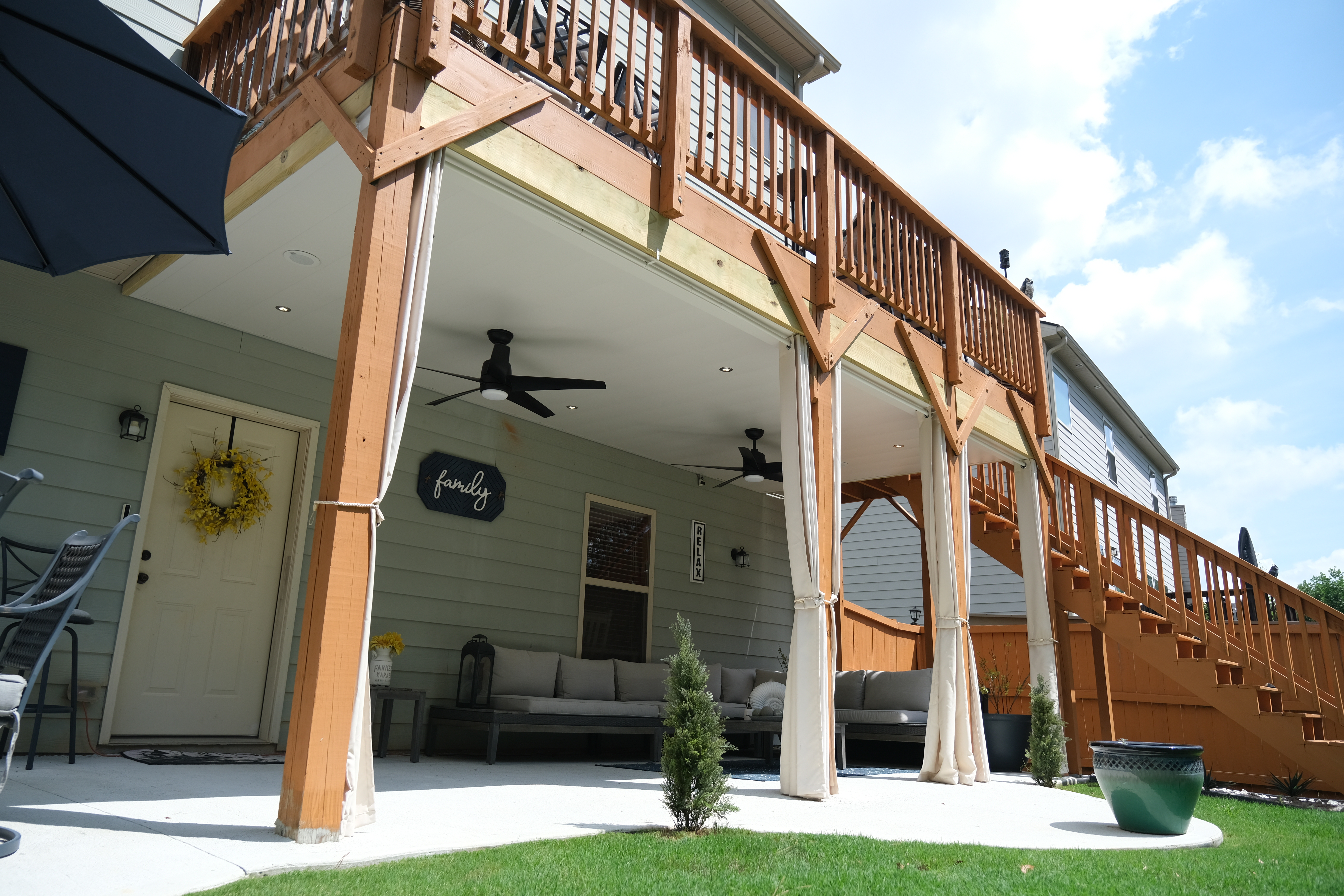
For under-decking systems—often considered investments that enhance outdoor living by creating functional space beneath decks—protecting against salt air damage is crucial. Without preventative care, homeowners may face premature repairs or replacements, driving up long-term costs.
Conclusion
Coastal salt air affects under-decking in Fleming Island by accelerating corrosion, wood decay, and the breakdown of protective finishes. Even miles inland, airborne salt particles combined with Florida’s humidity create a harsh environment that shortens the lifespan of outdoor structures.
By selecting durable materials, using corrosion-resistant fasteners, applying protective coatings, and maintaining a regular cleaning and inspection routine, homeowners can significantly extend the life of their under-deck systems.
In a climate as challenging as Florida’s, proactive maintenance is the key to keeping under-decking both beautiful and functional for years to come.
Regular Cleaning Keeps Salt Damage Away
Benchmark Quality Gutters suggests routine rinsing and cleaning to control salt buildup on under-decking systems. In particular, the Fleming Island team offers professional services that remove harmful deposits without stripping protective finishes from surfaces. With regular care, you can extend the lifespan of your under-deck system. Don’t let salt particles silently damage your investment — book a professional cleaning appointment now with Benchmark Quality Gutters.